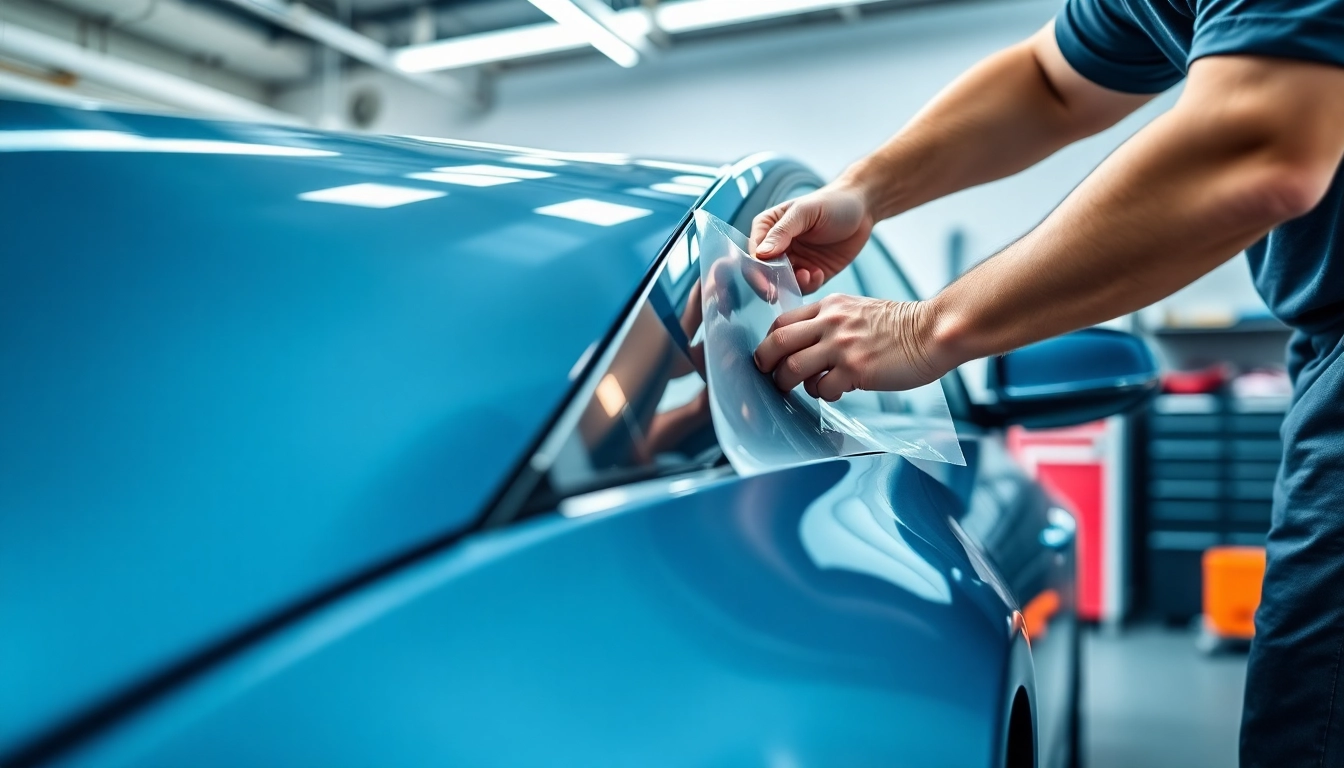
Introduction to PPF Chattanooga
As car enthusiasts and everyday drivers alike have come to realize the importance of maintaining vehicle aesthetics, the demand for PPF Chattanooga has surged. Paint Protection Film (PPF) is a modern solution designed to shield your vehicle’s exterior from various environmental hazards. In an era where every scratch or dent can diminish the value of your car, understanding and investing in PPF can provide peace of mind and enhance your car’s longevity.
What is Paint Protection Film?
Paint Protection Film is a polyurethane or vinyl film that is applied to the exterior surfaces of a vehicle. This film is transparent, allowing the original paint color and finish to shine through while providing an additional layer of protection against external threats. Developed initially for military applications to protect helicopter blades, PPF has since evolved and become essential for car care. It is designed to resist scratches, chips, and contaminants that may cause damage to your vehicle’s paint.
Benefits of PPF
The advantages of applying PPF to your vehicle are extensive:
- Scratch Resistance: PPF protects against minor abrasions from road debris, tree branches, and car washes.
- UV Protection: It helps prevent the fading of paint caused by sun exposure.
- Self-Healing Properties: Some high-quality films can repair themselves from minor scratches when exposed to heat.
- Easy Maintenance: The film makes cleaning your vehicle easier, as dirt and grime do not adhere as strongly.
- Increased Resale Value: A vehicle with well-maintained paint will likely retain a higher resale value.
- Versatile Coverage: PPF can be applied to various parts of the vehicle, including full hoods, bumpers, and even interior surfaces.
Pain Points and Solutions
While PPF offers numerous benefits, there are also some concerns that prospective users may have. Below are common pain points and their corresponding solutions:
- Cost: PPF installation can be seen as expensive. However, the protection and savings on repainting and repairs often outweigh initial costs.
- Yellowing Over Time: Lower quality films may yellow due to UV exposure. Opting for high-quality brands can mitigate this issue.
- Installation Issues: Poor installation may lead to bubbling or peeling. Utilizing a certified professional ensures proper application.
Choosing the Right PPF
Selecting the right PPF is crucial for achieving optimal results for your vehicle. This section will highlight different types of PPF available, key features to consider, and common misconceptions about the product.
Types of PPF Available
PPF comes in several varieties, catering to different needs and preferences:
- Standard PPF: Offers basic protection with a smooth finish.
- Self-Healing PPF: Designed to repair minor scratches and scuffs when exposed to heat or sunlight.
- Matte PPF: Provides protective features with a matte finish, designed for vehicles with non-glossy paint.
- Color Change PPF: Allows car owners to change their car’s color while also serving protective purposes.
Key Features to Consider
When selecting PPF, consider the following features:
- Thickness: Generally, thicker films offer better protection; 8 mil is a common standard.
- Warranty: Look for products that come with a warranty, which can indicate reliable quality.
- Transparency: Ensure that the film doesn’t distort your vehicle’s original paint color.
- Application Ease: Some films might be easier to install than others, particularly for DIY enthusiasts.
- Finish Type: Choose between glossy, matte, or textured finishes based on your preference.
Common Misconceptions
There are several misconceptions surrounding PPF that can deter car owners from adopting it:
- PPF is Only for Luxury Cars: While popular among luxury vehicle owners, PPF is beneficial for all cars, regardless of their value.
- Installation is Easy and DIY-friendly: Professional installation is recommended for the best results, as improper installation can lead to issues.
- PPF Damages Paint: High-quality PPF is designed to protect paint, not damage it upon removal.
Installation Process of PPF Chattanooga
The installation process for PPF is vital for the film’s effectiveness. Below is a comprehensive guide outlining the pre-installation preparations, step-by-step installation instructions, and post-installation care to ensure lasting results.
Pre-Installation Preparation
Before any installation can occur, proper preparation is crucial. This includes:
- Thorough Cleaning: The vehicle should be washed, and any wax or polish must be removed to allow for optimal adhesion.
- Surface Inspection: Look for any imperfections, scratches, or dents; these should be addressed before applying PPF.
- Climate Control: Ideally, PPF installation happens in a temperature-controlled environment to avoid moisture and temperature-related complications.
Step-by-Step Installation Guide
The installation of PPF can be broken down into manageable steps:
- Measure and Cut: Measure the sections of the car that will receive PPF and cut the film accordingly.
- Wet Application: Spray soapy water on the car surface and the adhesive side of the film for easier placement.
- Positioning: Carefully position the film over the desired area, adjusting as necessary.
- Removing Air Bubbles: Use a squeegee to eliminate any trapped air bubbles by working from the center outward.
- Trimming Edges: Once positioned correctly, trim any excess film from the edges for a neat finish.
- Drying: Allow the film to adhere properly by following the recommended drying time.
Post-Installation Care
To maintain the integrity and appearance of your PPF, follow these care tips:
- Wait to Wash: Avoid washing your car for a minimum of 48 hours post-installation to allow the adhesive to fully cure.
- Gentle Washing: When the time comes, use a pH-balanced soap and a soft sponge to wash your car.
- Avoid Abrasives: Never use harsh chemicals, waxes, or abrasive cleaning tools on PPF.
- Regular Inspection: Routinely check for any lifting edges or damage and seek professional help if needed.
Maintenance and Longevity of PPF
Like any protective gear, PPF requires maintenance to ensure its efficacy and longevity. This section highlights cleaning and care tips, signs of damage and repair options, and strategies to extend the life of your PPF.
Cleaning and Care Tips
Keeping your PPF clean enhances its durability and keeps it looking brand new:
- Routine Washing: Regularly wash your vehicle to remove dirt, dust, and road grime.
- Non-Abrasive Products: Use non-abrasive sponges and microfiber cloths to avoid scratching the surface.
- Spot Cleaning: For bird droppings or tree sap, clean off quickly to prevent damage to the film.
Signs of Damage and Repair Options
Despite its durability, PPF can be damaged. Here are signs to look for:
- Bubbling: Indicates moisture trapped beneath the film.
- Peeling Edges: Can occur due to improper installation or wear over time.
- Scratches or Scuffs: Minor abrasions often heal themselves, but deep scratches may need professional repair.
In cases of damage, consult a professional to assess whether the film can be repaired or if a replacement is necessary.
Extending the Life of Your PPF
To maximize the lifespan of your PPF, consider these tips:
- Avoid Automatic Car Washes: Touchless car washes are preferable to prevent surface damage.
- Regular Waxing: Using wax designed for PPF can enhance sheen and provide additional protection.
- Invest in Professional Products: Use cleaning solutions recommended specifically for PPF to maintain clarity.
Frequently Asked Questions about PPF Chattanooga
How long does PPF last?
Quality PPF can last anywhere from 5 to 10 years, depending on the product and maintenance. A reputable installer will provide guidance based on the specific film used.
Can PPF be removed?
Yes, PPF can be removed safely without damaging the underlying paint, provided it’s done by professionals who follow proper techniques.
Is PPF worth the investment?
Investing in PPF is often worthwhile, as it protects your vehicle from costly damage while maintaining its value and aesthetic quality.
What if my car gets scratched?
Most minor scratches on self-healing films will disappear on their own when exposed to heat. Deeper scratches may require professional assessment and repair.
Does PPF affect the car’s appearance?
High-quality PPF is virtually invisible, allowing your vehicle’s original color and finish to shine. Options like matte or gloss finishes can enhance or match your style.